What Equipment Do You Need for a High School Musical?
Updated October 2026
Short answer: a high school musical needs wireless body mics for every solo voice (usually 12 to 16), area or choir mics for the ensemble, a mixer with an input for every mic plus the band and playback, speakers sized to the room, intercom for the stage manager and crew, and backstage supplies for every miked actor. Add projection if the design uses digital scenery and lighting to match.
Sound: the checklist
| Item | Why you need it | Where to start |
|---|---|---|
| Wireless body mics | One channel per performer who sings alone or speaks over music, plus spares | Count your channels |
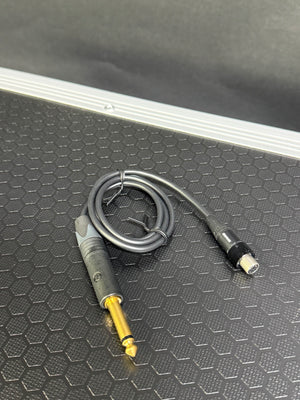
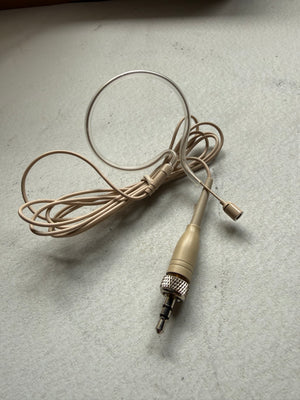
| Theatre mics that fit your transmitters | Earsets, headsets or hairline lavs wired for your bodypack brand | Bodymics finder |
| Antenna distribution | Keeps 8+ wireless channels stable across the whole stage | What is inside a wireless rack |
| Area or hanging choir mics | Lifts the ensemble without a body mic on everyone | Hanging choir mics |
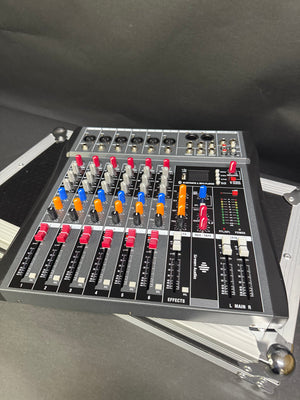
| Mixer | One input per mic, plus band, pit and playback, and a dedicated operator for 16+ mics | Mixers |
| Speakers | Clear dialogue to the back row; subwoofer for music | Size a sound system |
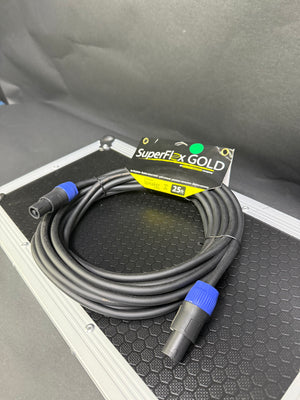
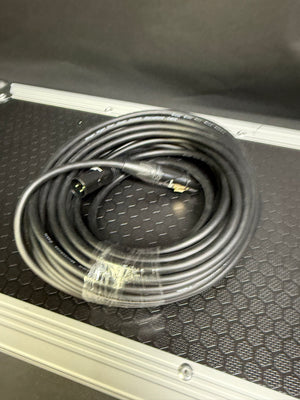
| Cables and looms | Get every channel from the rack to the mixer | Cabling |
| Assistive listening | Often required by the ADA where an assembly space has a sound system | Assistive listening |
Backstage: what every miked actor needs
- A mic belt to hold the bodypack under the costume
- Spare windscreens, swapped when caked with makeup
- Mic tape and remover wipes for every performance
- A labeled mic bag: one per actor, name and mic number on the label
- Or all of it in one order: the Bodymics Actor Kit
Crew and communication
Once the stage manager is calling cues to more than a couple of people, use a headset intercom. A wireless system like the Hollyland Solidcom C1 Pro needs no cables or base station. Choosing a wireless intercom.
Projection and scenery (if your design uses it)
A projection setup is five parts: playback, signal, projector and lens, mount, and the surface. Start with stage projectors for digital scenery, then check lumens, throw distance and screens and surfaces.
Lighting
Most schools already have a lighting rig. If yours needs updating, or projection is new, read getting started with stage lighting and lighting a show with projection.
Own it, rent it, or both
Own what you use every season and rent the rest for the big show. Rent or buy? Buying through a school office? How purchase orders and tax-exempt orders work.
Common questions
What is the minimum sound equipment for a school musical?
Body mics for every solo voice, area or hanging mics for the ensemble, a mixer with enough inputs for all of them plus the band and playback, and speakers sized to the room. Add a stage-manager intercom once the crew is more than a few people.
How many wireless mics does a high school musical need?
Most land between 12 and 16 channels; big shows with many featured roles need 20 to 24. Count it from the script with our worksheet.
Do we need a projector?
Only if your design uses digital scenery. Many schools rent a projector for one show first. A projector also needs a lens, mount, signal cabling, a playback computer and a surface to project on.
What do schools forget to budget for?
Consumables for every miked actor (belts, tape, windscreens, remover wipes), spare mics, mixer inputs for every new channel, and cases to store it all between shows.